

.png)
1. Consider your company culture and values.
Understanding your company's culture and values is the first step in hiring the right person. To paraphrase the great Ru Paul: if you don’t know who you are, how are you going to hire anybody else?! 💁
It’s crucial to know what your business stands for and the type of environment you want to maintain. When you hire someone who aligns with these values, they’re more likely to thrive and contribute positively to your team. Ask yourself: What qualities and attitudes are essential for someone to fit in and succeed here? If your company is rapidly changing and you have a candidate who’s expressed a strong aversion to change at work, you may want to reconsider their candidacy.
2. Create a solid job brief
A solid job brief is the foundation of a successful hiring process. Clearly define the responsibilities, necessary skills and experience required for the role. This brief should be detailed enough to give you a
starting point for understanding what the job entails and what you are looking for, before it’s time to write the job description.
In the long run, creating a well-crafted job brief will help you attract the right candidates and set clear expectations from the very beginning. It keeps you focused and on track in your hunt for the right candidate.
3. Write an engaging job description
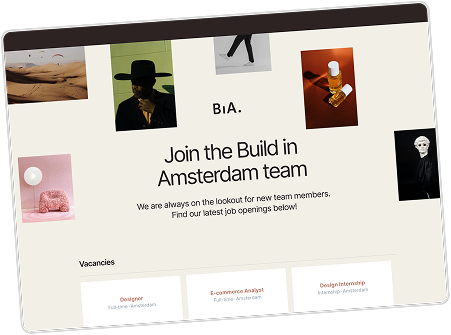
Once you have your job brief, it’s time to turn it into an engaging job description. This is your opportunity to sell the role and your company to potential candidates.Highlight the exciting aspects of the job, the
benefits of working with your team, and any unique perks your company offers. An engaging job description attracts more candidates and helps them envision themselves in the role. Someone who can truly
see themselves working at your company and thriving will be likelier to stay and contribute meaningfully to your team (and business).
4. Filter candidates early on with a strong job application form
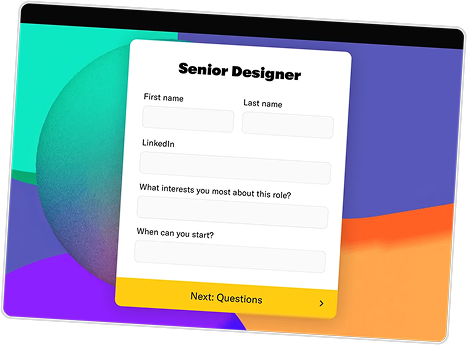
A strong job application form is your first line of defense in filtering candidates before you start the interview process.
Design your job form to ask application questions that reveal whether a candidate meets the essential criteria, these are the non-negotiables of the job role. This can include questions about their years of
experience, specific skills, achievements, leadership experience and motivations for applying.
By filtering candidates early, you save time and ensure only the most qualified, best-fit applicants move forward in the hiring process. Learn how to create a stand-out job application form.
5. Prepare insightful interview questions
Interviews are the bread and butter of a structured and solid hiring process. So naturally, preparing insightful questions in advance is key.
Focus on questions that reveal a candidate’s problem-solving abilities, cultural fit and potential for growth, remember that you’re not going to find the “perfect” candidate and skills can often be learned quickly on the job.
Behavioral questions that ask candidates to describe past experiences can provide valuable insights into how they handle various situations. Remember, the goal is to gather more information to help you make an informed decision at the end of the recruitment journey.
📣 Job interview question templates to help you hire excellent talent
6. Involve your hiring team
Here at Homerun, we believe hiring is a team sport so it should be a collaborative, dynamic process 💪 Involving your team in recruitment can provide multiple perspectives and help you make sure you’re making a more balanced decision.
Schedule group interviews or ask team members to meet with candidates informally. Their feedback can be invaluable in assessing whether a candidate is right for the role, the team’s needs and your company's culture.
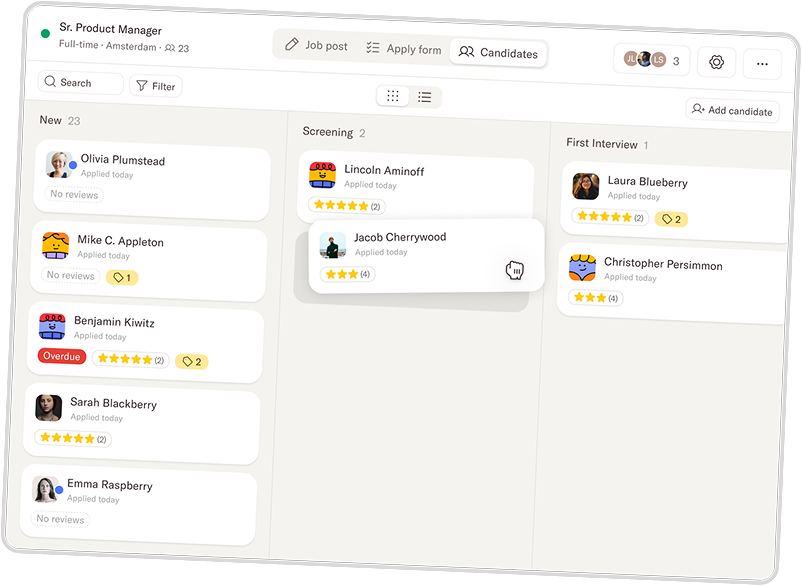
Keeping everything organized in an ATS like Homerun where you can share team notes, to- dos, reminders and candidate scorecards can bring your collaborative hiring process from 0 to 100.Try not to make hiring decisions in isolation, unless you have to (I’m looking at you, one- person teams! 👋)
7. Have a deep understanding of the role and who you’re looking for
Know the job description and what you need for this role inside and out. There’s nothing worse than wasting your own time or a candidate’s time because your hiring team has changed their mind! Take it from me, I’ve been there. 🙄
Make sure you’re clear about the must-have skills and qualities and understand how this role fits into the larger goals of your team and company. This clarity will help you evaluate candidates more effectively and ultimately, make stronger hiring decisions.
8. Establish an assessment process
An assessment process can help you objectively evaluate candidates’ skills and their fit for the role. This could include practical tests or take-home assignments. You could even ask candidates “what if” style questions during the interview process, to get an idea of how they might complete a particular task on the job.
9. Speak to references when necessary
Some may call this traditional, we call it tried and true. Speaking with a candidate’s references when you get to the final stages of the hiring process is a fantastic way of getting a sense of whether or not they’re the right person for the job.
If emailing or cold-calling a reference isn’t your jam, check out a candidate’s LinkedIn profile for peer and manager recommendations. If they keep their LinkedIn profile rich and up to date, there may be some helpful insights there.
Candidate references help your due diligence process; this is a final step in verifying if you’re making the right choice with a candidate. We recommend speaking with references as a final check on a candidate before you send out the job offer letter.
10. Structure your interview process
We’re huge fans of a structured interview process, it brings consistency and fairness to your entire hiring process. And what hiring manager or candidate wouldn’t want that?!
To create more structure in your hiring, develop standard questions and a candidate scoring system to evaluate responses. This helps you compare candidates objectively and reduces the risk of hiring bias.
If you’re not sold yet, structured interviews also provide for a much better candidate experience (candidates know what to expect from your recruitment process and they can prepare accordingly).

Final thoughts
Hiring the right person is crucial for your team’s success. So, your recruitment process deserves all the care and time it gets.
By focusing on your company culture, creating a solid job brief, and writing an engaging job description, you set the stage for attracting the right candidates. Filter early with a strong application form and ask insightful interview questions to save you both time and effort down the road. Involve your team in the process, understand the role and use assessments to understand candidates’s skills.
Don’t skip speaking to references if it works for your hiring process, it can provide valuable insights.
Remember, hiring is about finding someone who’ll grow with your company and enhance your team’s dynamic. A thorough and structured process helps you make the most informed decisions possible.
Take your time, follow these tips, and make decisions based on facts, not just gut feelings. Here’s to finding the best fit for your team, happy hiring!
The simplest way to grow your team.
Find the right person for your business, Homerun’s ATS gives you a clear overview for easy, collaborative hiring. Learn more >
.webp)
.webp)
.webp)