
I started Remote Crew because my friends and I wanted to find remote work ourselves.
Turns out, finding good remote engineering jobs was borderline impossible. But I knew companies were hiring remotely and complaining about how hard it was to find talent.
To me, the disconnect was obvious…Great engineers wanted remote work and growing startups needed remote engineers. However, the two sides couldn't find each other! So, we decided to help bridge that gap.
I was recently talking to Mariana, our Head of Recruitment, about the patterns we see across companies hiring technical talent.
These aren't companies with bad products or little funding. They have compelling missions, competitive salaries, and genuine opportunities for engineers to make an impact. The problem is, their hiring processes are nothing short of a disaster!
You see applications disappear, interview scheduling taking weeks, and candidates ghosting because someone else moved faster! Founders end up spending 30 hours a week on recruiting instead of building their product. Fortunately, Homerun solves this problem.
I'm going to show you how we use Homerun to help companies hire remote developers without worrying about never-ending spreadsheets and founders losing their minds.
- Miguel Marques, founder of Remote Crew
Why Companies Fail At Remote Technical Hiring
Most early-stage founders have never hired a software engineer before.
Here’s how the story usually goes…
- They post a job on LinkedIn.
- A few applications trickle in over the next week.
- The founder reads them whenever they get a free moment.
- The best candidates accept offers elsewhere.
The ones who are still interested eventually get invited to interview, but scheduling becomes a nightmare of back-and-forth emails trying to find times that work across different timezones.
"Does Tuesday at 3pm work?" leads to "Actually, I'm in a different timezone," which leads to "How about Thursday?" and suddenly two weeks have passed…
The candidate loses interest or gets another offer, and the founder starts over from scratch!
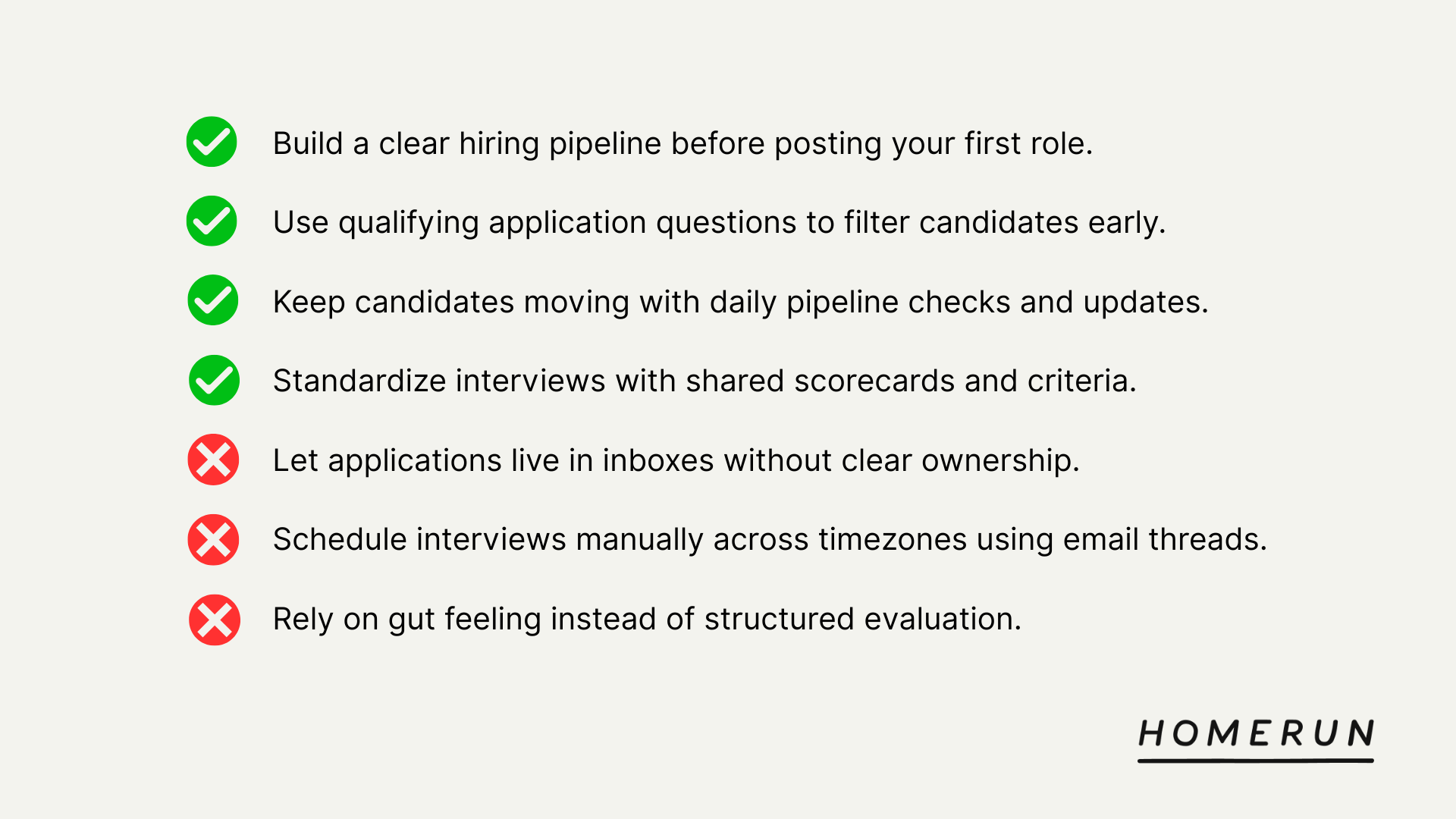
I've noticed that many companies, regardless of size, make the same four mistakes repeatedly...
No Clear Hiring Process
Applications land in someone's email inbox and may get forwarded to the CTO or sit there for days. Nobody knows who's responsible for what or what happens next in the process.
No Structured Evaluation
One founder likes a candidate because they went to a good university, while another founder dislikes them because they stumbled on a technical question. There's no consistent way to evaluate people, so decisions are a bit arbitrary and unreliable.
No Candidate Experience Strategy
Candidates apply and hear nothing for weeks, and when they finally do hear back, the experience feels impersonal and slow. The best engineers have options, and they go where they feel valued from the first interaction. Can you blame them?
Too Much Manual Work
Scheduling interviews manually, copying and pasting the same messages to candidates, updating spreadsheets with the latest status... all of this takes hours away from founders who should be spending time on product development.
When I speak with founders who've struggled with hiring, they describe feeling overwhelmed by the administrative burden before they even get to the actual decision-making part.
Why Remote Hiring Is Different (And Harder)
Don’t go into this process thinking hiring remote engineers is just regular hiring with video calls instead of office visits. Remote hiring introduces complexity that catches companies off guard in ways they don't anticipate until they're already deep in the process.
Timezone Coordination
I want you to take a second to imagine this scenario…
Your candidate is in Portugal, your CTO is in San Francisco, and your lead engineer is in England. Finding a time when everyone can meet requires careful coordination.
The Competition Is High(er)!
When you hire remotely, you're not competing with local companies anymore... you're up against organizations worldwide who can also hire that talented engineer in Lisbon or London. The competition intensifies dramatically!
Asynchronous CommunicationAssessing Cultural Fit Is Tough
Remote candidates expect efficient, asynchronous communication and don't want to wait days for responses or schedule calls just to ask basic questions about the role. They expect answers quickly and professionally. Sure, you can probably get this right 80% of the time. But what about the other 20%? It’s tough.
Assessing Cultural Fit Is Tough
Evaluating cultural fit is harder when you can't meet in person, and teams need engineers who can work independently, communicate clearly in writing, and thrive without constant supervision.
I think people often forget that the best remote engineers are evaluating you just as much as you're evaluating them. A messy hiring process signals… a messy company.
What Homerun Actually Solves For Expanding Teams
We've placed over 250 developers at growing companies using various applicant tracking systems over the years. And if I’m honest, not all of these systems were good. Far from it!
Homerun is the one we recommend to clients, and we use it ourselves for every placement we make.
Here's why I have no hesitation recommending Homerun to you...
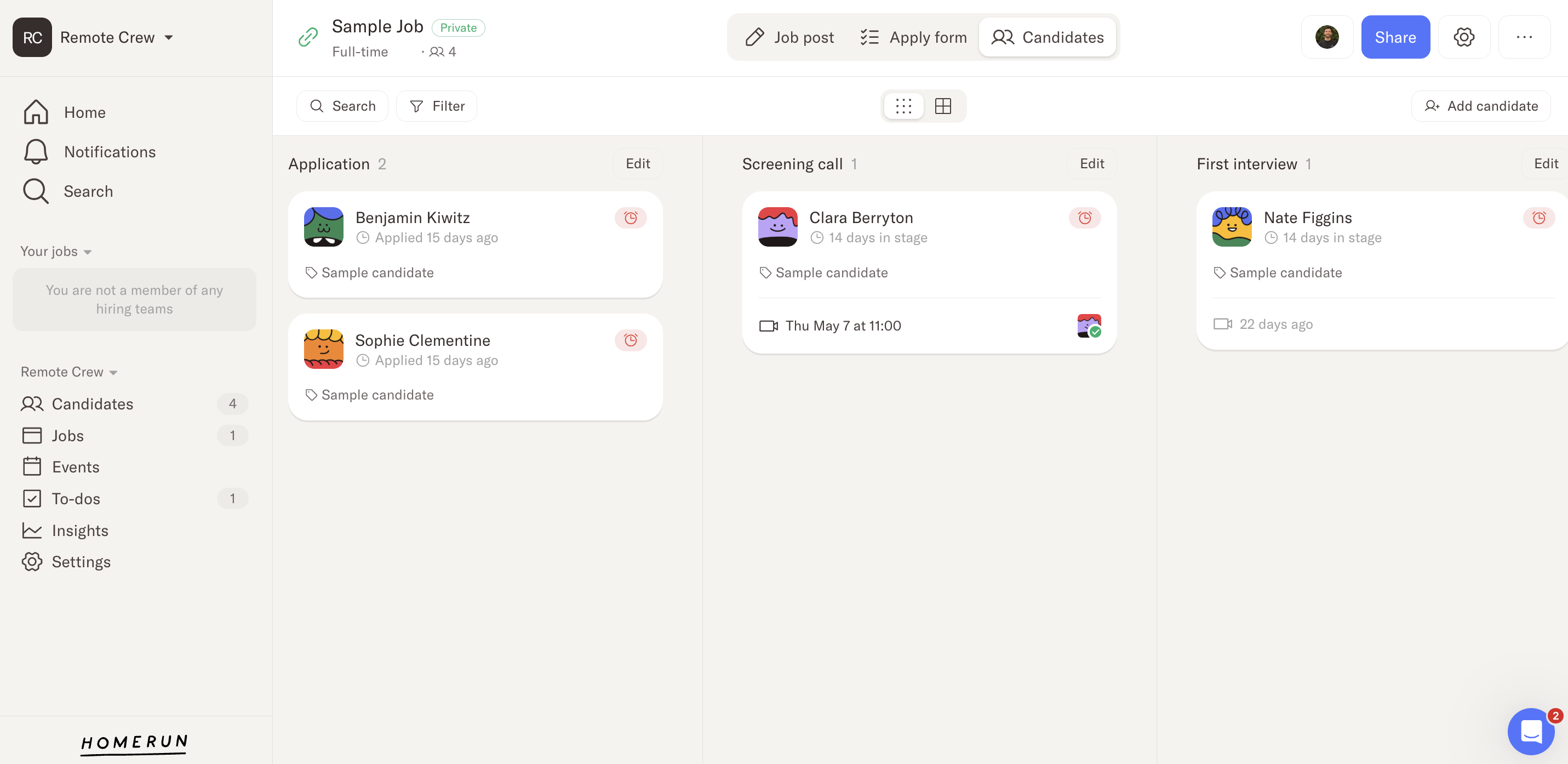
Visual Pipeline That Everyone Understands
Homerun's visual pipeline lets you see every candidate and their current stage at a glance without digging through spreadsheets or email threads to piece together the status.
Candidates move through stages like "Applied," "Phone Screen," "Technical Interview," "Final Interview," and "Offer," and your team can see the status instantly whenever they need to check.
These stages are completely personalizable and you can even add some additional ones!
Custom Application Forms That Qualify Candidates
Generic application forms waste everyone's time because someone applies who doesn't have the skills you need, and you don't realize until you've already scheduled a call and spent 30 minutes talking to them.
Homerun lets you build custom application forms with qualifying questions that filter candidates before they reach your pipeline.
Need someone with React experience? Ask about it upfront. Want someone comfortable with remote work? You can add a question about their home office setup and timezone preferences.
This qualification happens before anyone on your team reviews the application, which means by the time a candidate reaches your pipeline, they've already cleared basic requirements.
Interview Scheduling That Doesn't Require A PhD!
I'm amazed by how much time teams waste on interview scheduling, with some founders spending multiple hours per week just on calendar coordination.
Homerun syncs with Google Calendar and Outlook and lets you create interview templates for each stage of your process. When it's time to schedule, you pick a template, and candidates receive a clean, professional invitation with all the details they need.
No more "when are you free?" email chains that drag on for days. You don’t have to worry about double-booking because someone forgot to check the team calendar, either.
For remote hiring across timezones, this feature alone saves hours every week and prevents the embarrassing mistakes that make your startup look disorganized.
Structured Scorecards Designed To Reduce Bias
Expanding startups often make hiring decisions based on gut feeling rather than structured evaluation.
Someone "seems smart" or "has good energy," and these subjective assessments lead to inconsistent decisions and missed opportunities to hire great engineers who don't fit narrow patterns the team has internalized.
Homerun's scorecards let you define what matters for each role…
- Technical skills
- Communication ability
- Problem-solving approach
- “Culture fit” based on specific values.
You can have each interviewer score candidates on the same criteria. This means you can surface concerns that might otherwise stay hidden until after someone's hired and already struggling.
It's interesting to see how teams that implement scorecards make faster, more confident hiring decisions because the data removes ambiguity and gives everyone a shared framework for evaluation.

How We Use Homerun To Place Engineers At Companies Of All SizesWe Build A Compelling Job Post And Career Page
At Remote Crew, we've developed a process that consistently delivers qualified candidates within 48 hours of starting a search.
It’s no secret that Homerun is central to making this happen.
Our Team Pinpoints Exactly Who We’re Looking For
Before we post anything publicly, we use our Role Intake Document to understand exactly what the startup needs... not just "a React developer," but someone who can work independently on feature development, communicates proactively in writing, and has experience with remote collaboration tools.
The Role Intake process surfaces these nuances early. Our team doesn’t want to waste time attracting the wrong candidates.
We build this profile directly into Homerun's custom application form, where questions target the specific skills and experience that matter for this particular role at this particular company.
We Build A Compelling Job Post And Career Page
Homerun's no-code builder lets us create branded job posts that showcase the startup's culture and mission in ways that actually resonate with engineers.
Generic job descriptions attract generic candidates who apply everywhere, but posts that clearly articulate the challenge, the opportunity, and why this role matters attract engineers who actually care about the work and the problem being solved.
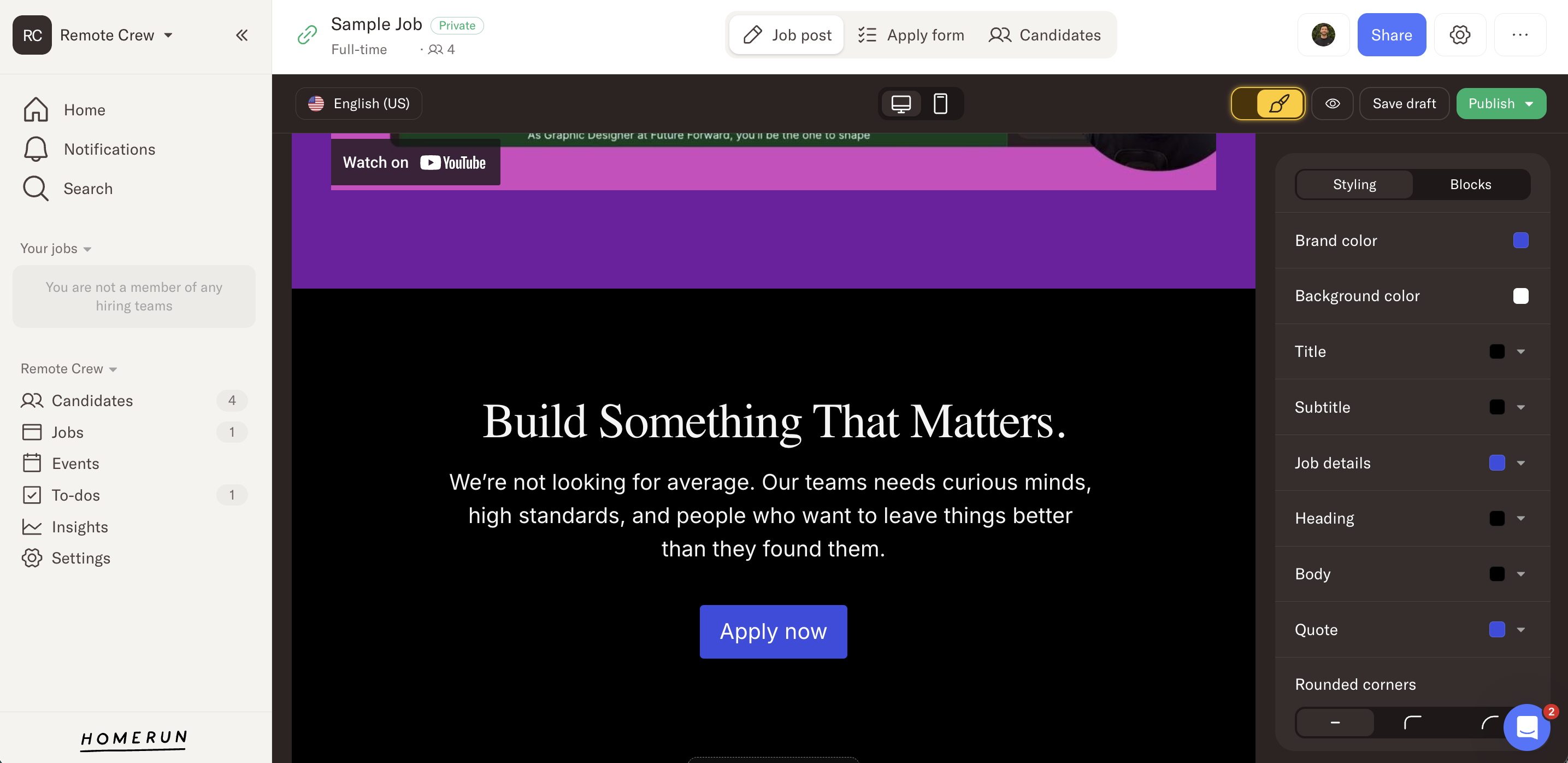
“Future Forward” is my favorite job post template from Homerun right now. I just select it, make a few edits, and the job post is ready to publish.
I find it’s like having a full-blown website editor, but I’m never worrying about code.
We usually include details about the remote work setup, the tech stack, the team structure, and what success looks like in the first 90 days. This filters out candidates who aren't a fit and attracts ones who are genuinely interested in what the startup is building!
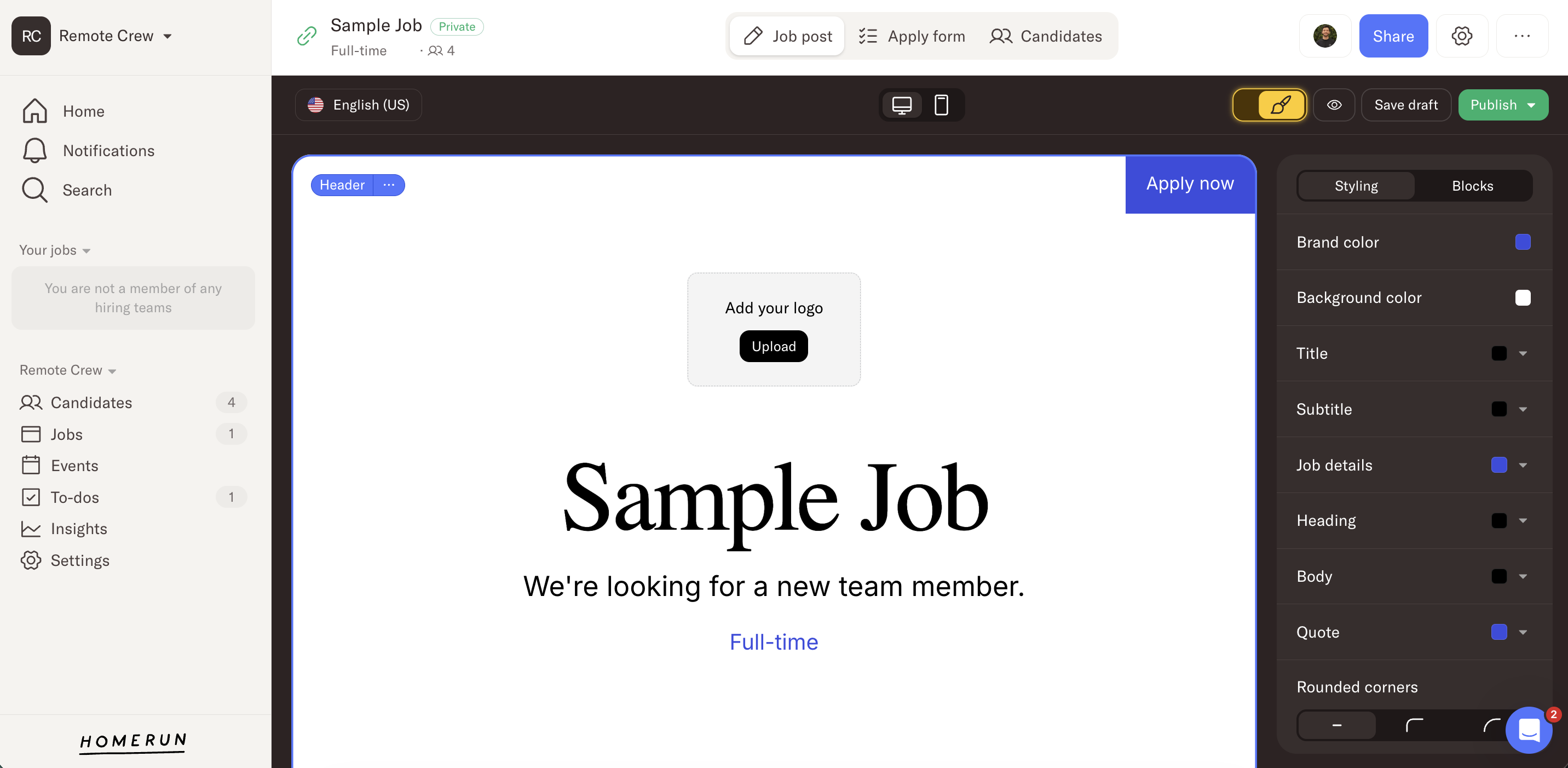
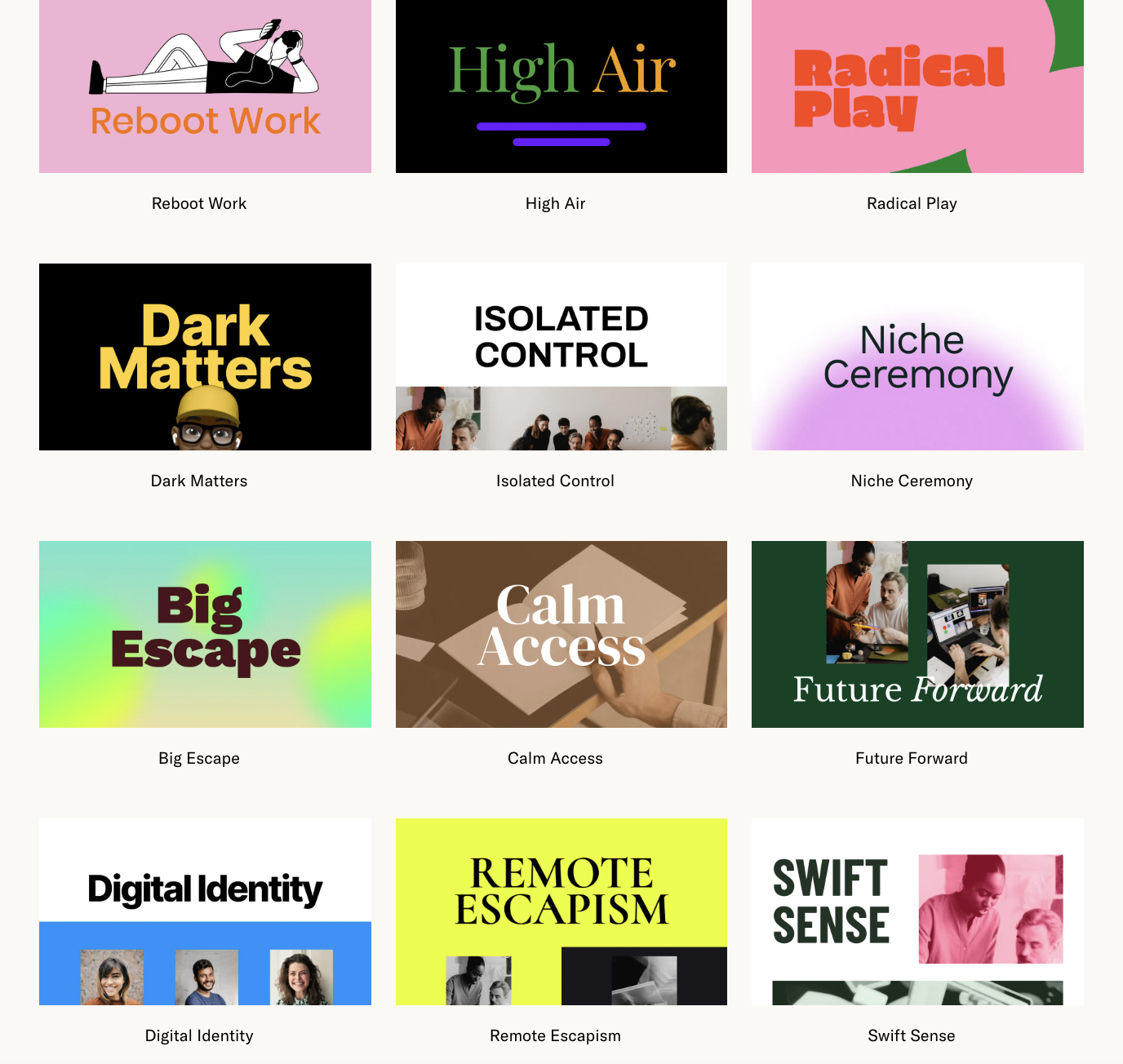
As you’ll see in the templates, they already come pre-built with useful elements like YouTube video embeds, a “meet your team” section, and call-to-actions that’ll actually get candidates in the pipeline.
Homerun Makes It Easy To Screen Applications Efficiently
Applications come into Homerun's pipeline throughout the day, and because we've built qualifying questions into the form, we can quickly assess whether someone meets the basic requirements without scheduling unnecessary calls.
I like to add knockout questions as I’m setting up the application form to automatically disqualify candidates who answer “No” to straightforward, non-negotiable questions, such as “Do you have a valid driver’s license?” or “Do you hold the required visa?”
Strong candidates move to "Phone Screen" within hours of applying, while weak fits get a polite rejection message (scheduled automatically) that respects their time and maintains the startup's reputation. Everyone knows where they stand.
This happens fast... within hours, not days. Speed matters in competitive markets where top engineers get multiple offers quickly and make decisions based partly on which company seems most organized and responsive.
We Then Coordinate Interviews Across Timezones
Once a candidate passes the phone screen, we schedule technical interviews using Homerun's calendar integration, which handles the complexity of multiple timezones automatically.
The startup's interview team gets a calendar invite with all the context they need, while the candidate gets a professional invitation with all the details, including video call links and interview format expectations, so they can prepare appropriately.
For remote interviews across multiple timezones, this coordination would be painful without automation... Homerun handles it seamlessly and prevents the scheduling nightmares that make candidates question whether a company can handle basic operations.
Our Team Takes Time To Review The Scorecards
After each interview, team members complete scorecards in Homerun, which creates a structured record of each candidate's strengths and concerns that everyone can reference during decision-making.
When it's time to make a decision, the data is right there in one place.
We aren’t spending time hunting through inboxes for someone's feedback or trying to remember what the CTO thought about a candidate three weeks ago when memories have faded.
I've always found that scorecards surface patterns that aren't obvious in casual conversation... someone might shine technically but struggle with asynchronous communication, which is critical for remote work and will cause problems down the line.
When There’s A Great Candidate, We Move Fast…
If the right candidate emerges, we move them to "Offer" in Homerun. The startup can see the entire journey from application to offer in one place with complete visibility into the process.
Homerun keeps everyone aligned on next steps... send the offer letter, track when the candidate reviews it, coordinate on start dates and any questions that come up during negotiation.
This is what gets offers accepted in competitive markets. The best engineers choose companies that show urgency from the first interaction because it signals how the company will operate once they're hired.
Don’t Make These 4 Mistakes With Homerun
Homerun is powerful when used correctly, but I’ve found that teams still find ways to underuse the platform and miss out on the benefits it provides.
1 - Not Customizing Pipeline Stages
The default stages work fine for basic needs, but customizing them to match your actual process works better and keeps everyone aligned on what's happening.
If you do a take-home assignment, you should create a stage for it.
When a “culture fit” interview is separate from technical screening, I add that stage explicitly.
I like having clear stages because they keep everyone aligned and prevent candidates from falling through cracks when responsibilities aren't defined.
2 - Skipping Setting Up Your Scorecards
I know you probably think that setting up scorecards is unnecessary, but the time saved on decision-making later is massive and pays back the investment quickly.
Before you start interviewing, I want you to set five minutes aside and think about what matters for each role.
You can have this discussion as a group, so everyone on the team knows what they're evaluating. What you’ll end up with at the end of the process is clean, consistent data.
Trust me, it’s worth those five minutes.
3 - Forgetting To Use Templates
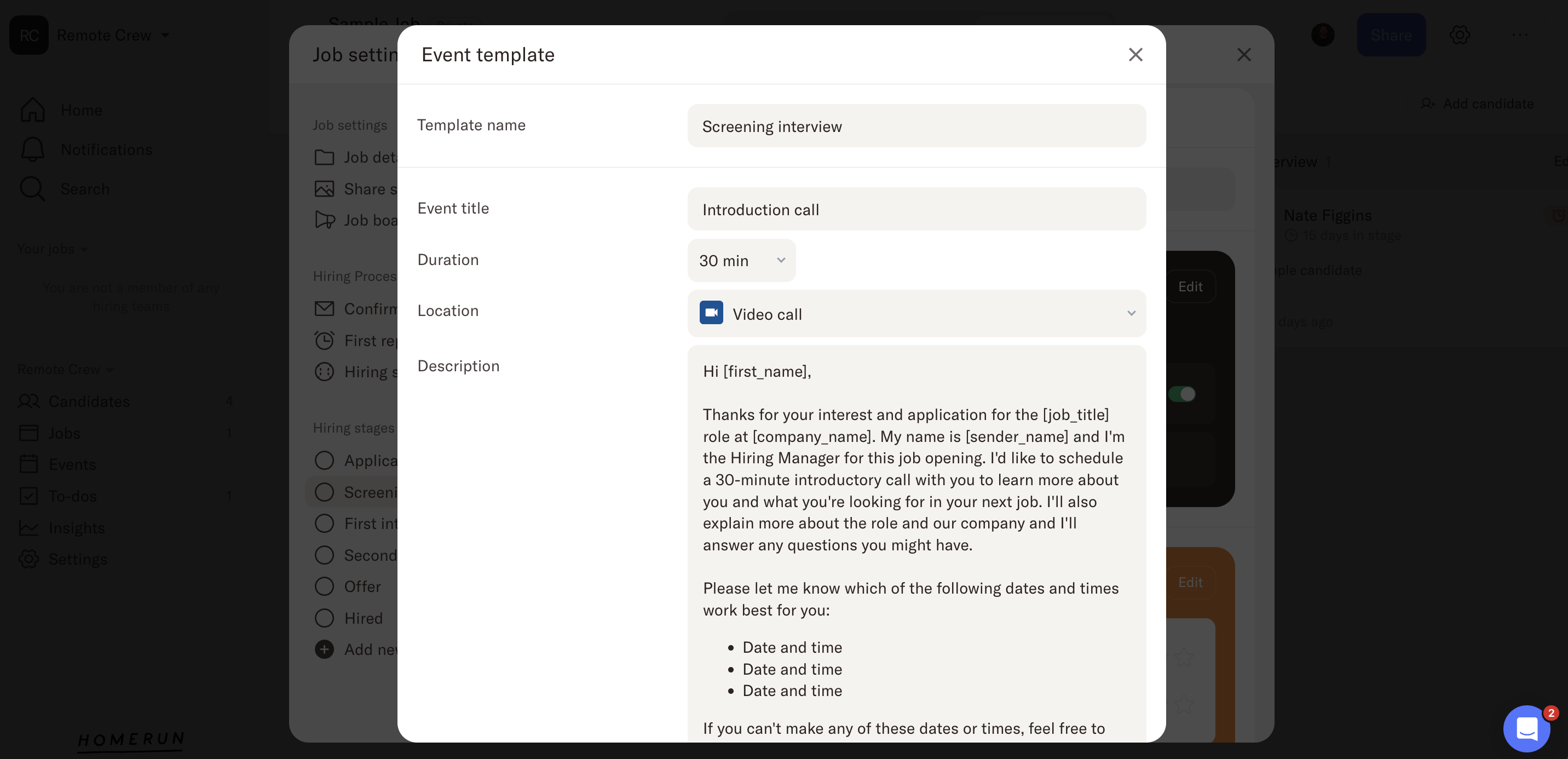
Homerun's templates for job posts, interview scheduling, and candidate messaging save enormous amounts of time... if you actually take the time to set them up and use them consistently instead of writing every message from scratch.
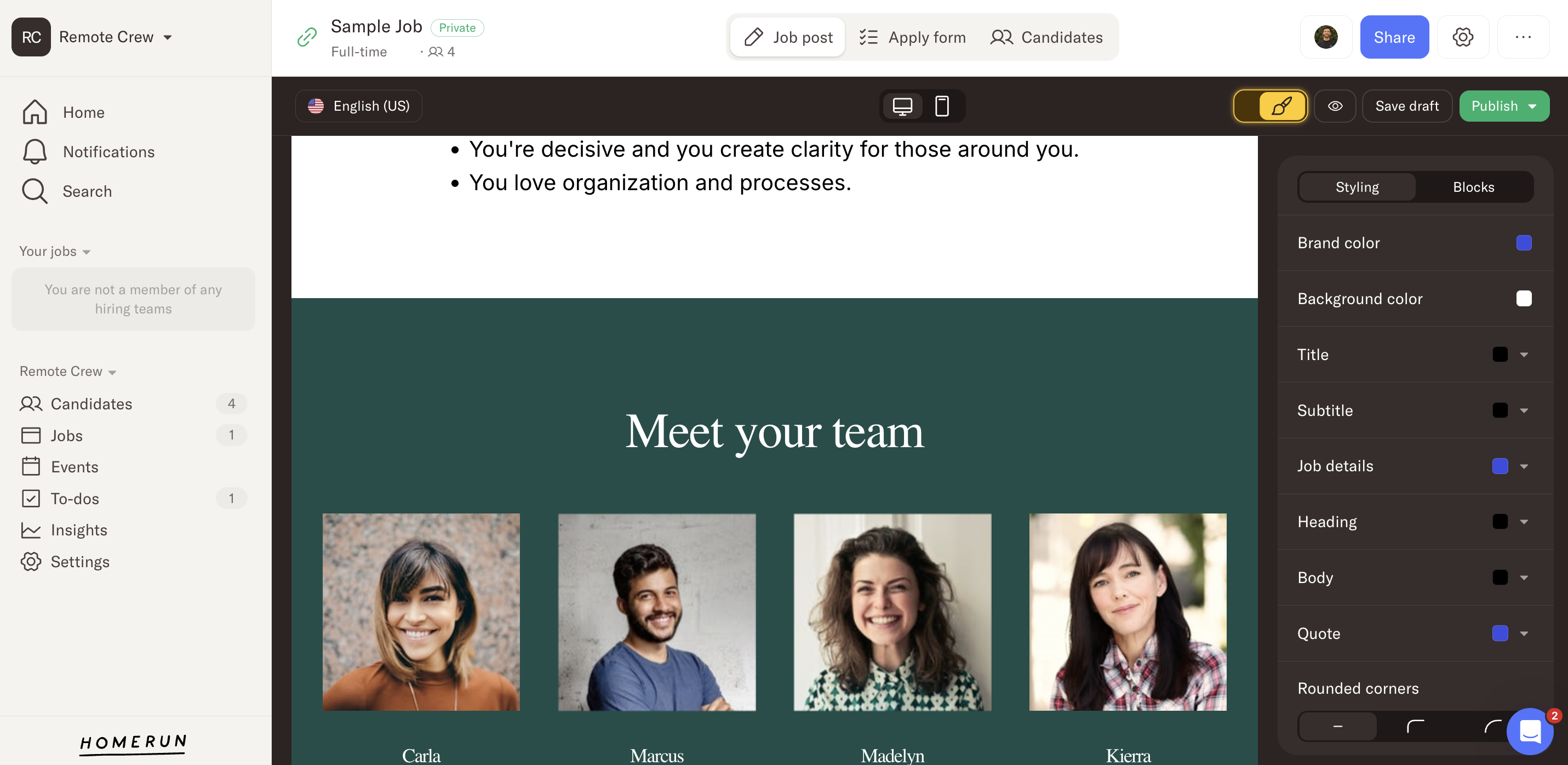
Create templates for common scenarios like phone screen invitations, technical interview details, rejection messages, and offer letters. Then reuse them consistently so candidates get professional, timely communication every time.
As you can see from the example below, this email template for the screening interview is super useful to me. All of the custom variables (like first name, company name, and job title) and already inserted.
4 - Not Checking The Pipeline Daily
Homerun works best when someone checks it daily and keeps candidates moving through the process. Candidates shouldn't sit in a stage for days with no movement or communication, especially in remote hiring where competition is intense and top candidates have multiple companies pursuing them.
Assign someone the responsibility of moving candidates forward or sending updates regularly. Even a quick "we're still reviewing applications and will update you by Friday" keeps candidates engaged and signals that your company respects their time.
Can You Afford Not To Use An Effective ATS?
I certainly can’t! There are three main reasons why my team and I enjoy using Homerun…
- We can spin up attractive job post pages in minutes.
- Our team can organize hiring with a fully-connected ATS.
- We are given all the tools needed to deliver a superb candidate experience.
Learning how to hire remote software engineers efficiently has only been possible because of our partnership with Homerun.
After all, a recruiter is only as good as their tech stack! We are fortunate to have access to excellent tools that complement our work.